
The Ultimate Guide to the Boat Test: Everything You Need to Know Before Hitting the Water.
If you are in the market for a new or used vessel, or simply a marine enthusiast who loves staying updated on the latest maritime innovations, there is one crucial element you cannot afford to ignore: the boat test. Buying a boat is a significant investment of both time and money, akin to purchasing a home or a luxury vehicle. You would not buy a sports car without taking it for a test drive, nor should you ever purchase a vessel without consulting comprehensive boat tests.
Welcome to Boat Review Magazine’s definitive guide on the subject. In this comprehensive, deep-dive article and video, we will explore exactly what boat tests are, why they are the most critical step in the boat-buying process, what metrics professionals use to evaluate watercraft, and how you can interpret these results to make an informed, confident purchase.
What Exactly is a Boat Test?
At its core, a boat test is a rigorous, standardized evaluation of a watercraft’s performance, safety, design, and overall functionality. Conducted by industry professionals, marine journalists, or certified marine surveyors, a boat test takes a vessel out of the showroom and puts it into real-world conditions. While a boat might look flawless sitting on a trailer or moored quietly at a marina dock, its true character is only revealed when it interacts with wind, waves, and varying payloads.
A boat test goes far beyond simply starting the engine and seeing how fast the vessel can go. It is a systematic review that collects quantitative data—such as top speed, optimal cruising speed, fuel consumption, time-to-plane, and sound levels—as well as qualitative observations, such as how the boat handles a sharp turn, the ergonomic comfort of the helm, and the overall build quality. For the consumer, reading a detailed boat test provides an unbiased, transparent look into what it is actually like to own and operate that specific make and model.
Evaluating Different Types of Boats
It is important to note that boat tests are tailored to the specific category of the vessel. What makes a great bass boat does not necessarily make a great center console.
Power Boats
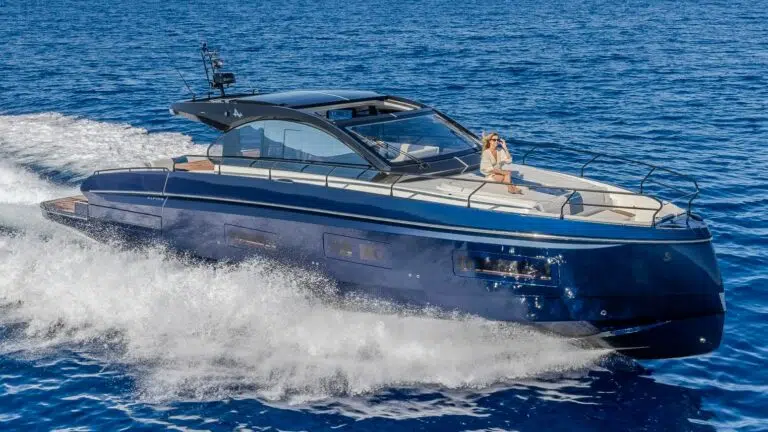
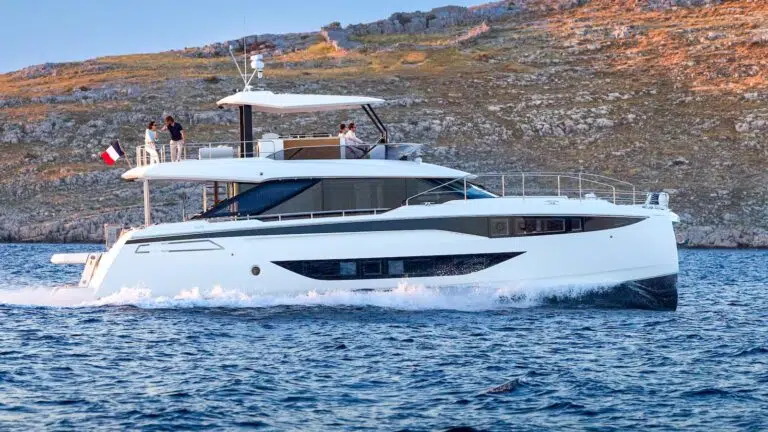
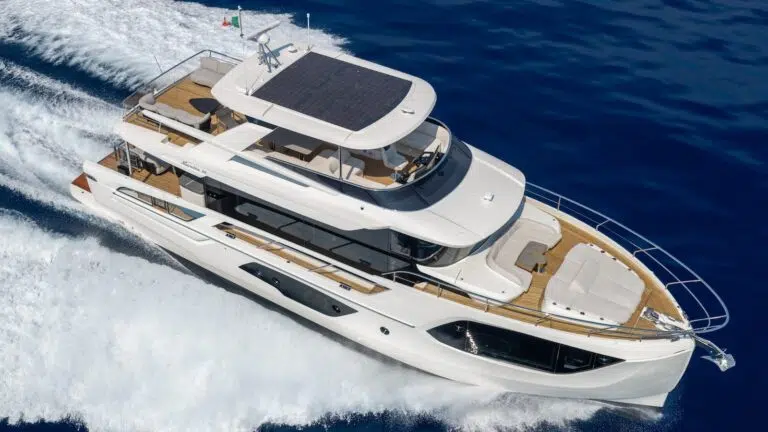
When evaluating luxury cruisers, boat tests take on a lifestyle focus. While performance is still recorded, marine journalists spend significant time evaluating the cabin layout, headroom, galley amenities, HVAC systems, and the quality of the joinery and fiberglass finish. The ease of access to the engine room for maintenance is also a major grading point in these boat tests.
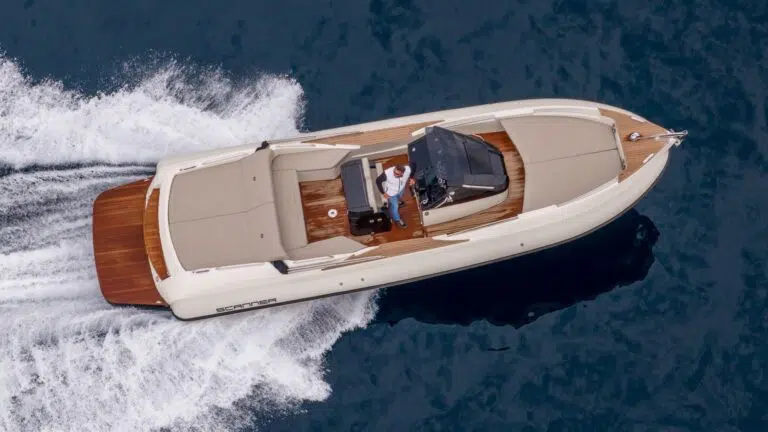
Viceversa when it comes to dedicated power boats and high-performance vessels, a boat test is pushed to the absolute edge. Testers evaluating these adrenaline-inducing craft focus heavily on the delicate balance between raw horsepower, hull hydrodynamics, and top-end stability. During these specialized boat tests, marine experts evaluate the responsiveness of trim tabs and hydraulic jack plates at extreme velocities. While fuel efficiency is always recorded, it often takes a backseat to sheer speed and acceleration metrics, with testers meticulously documenting wide-open throttle (WOT) performance to ensure the vessel remains safe, predictable, and controllable even when approaching triple-digit speeds.
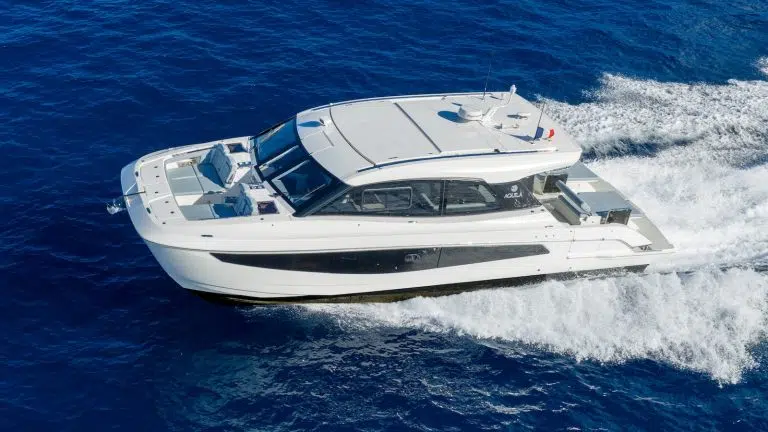
Power Catamarans
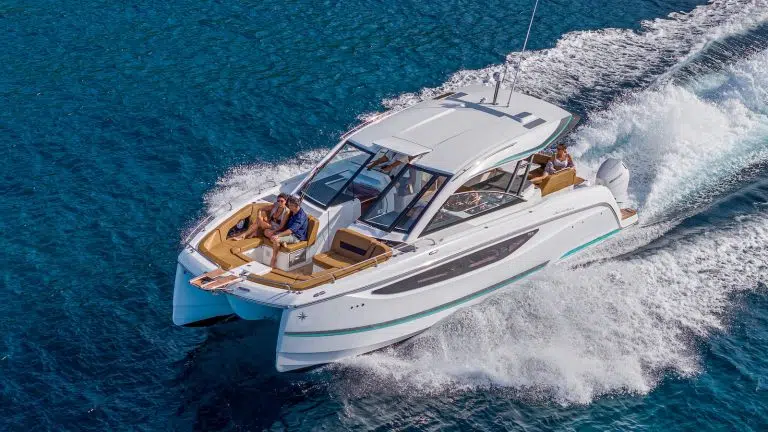
The popularity of power multihulls has exploded in recent years, and a boat test for a power catamaran focuses heavily on its unique twin-hull dynamics. Testers look closely at “tunnel slap”—the noise and impact of waves hitting the bridge deck between the hulls—in rough head seas. Furthermore, because catamarans handle differently than monohulls, a boat test evaluates how the vessel corners. Some power cats lean outward in a turn rather than banking inward, which is a crucial characteristic for new buyers to understand. Fuel efficiency and wide-beam deck space are also major grading points.
Sailing Catamarans
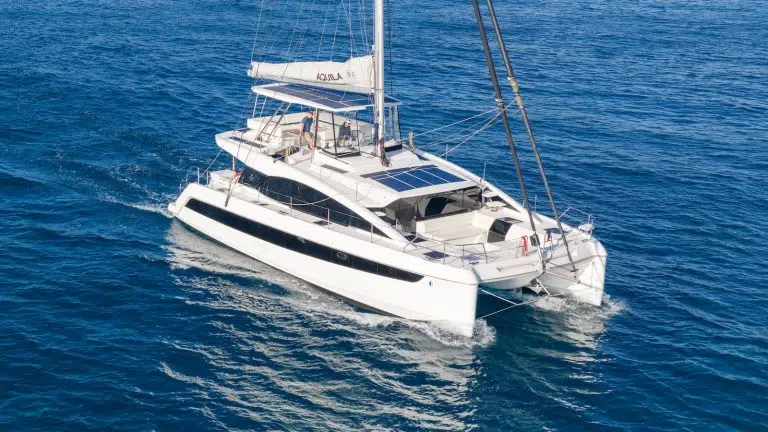
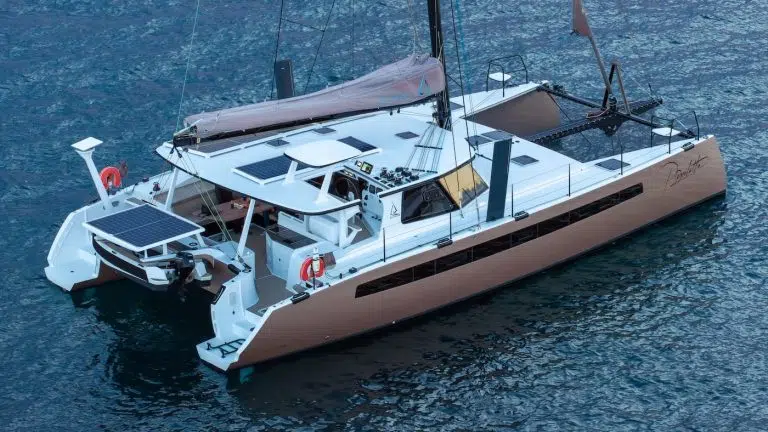
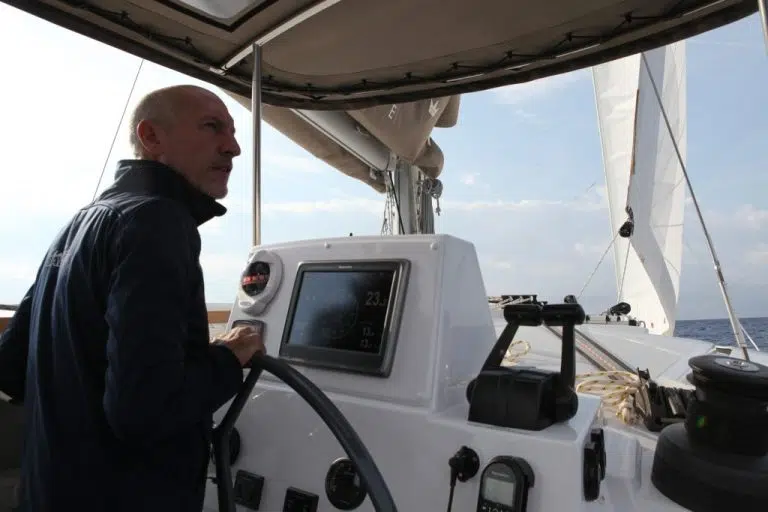
For sailing catamarans, a boat test balances the assessment of luxurious living spaces with actual sailing performance. Because these vessels are highly sensitive to weight, testers evaluate how a full payload affects speed and draft. Crucial metrics in this boat test include pointing ability (how close to the wind the boat can sail) and helm feedback. Because catamarans do not heel (lean) like monohulls, the captain must rely on different sensory inputs to prevent overpowering the rig, making the responsiveness of the helm an essential test criteria.
Maxi RIBs (Rigid Inflatable Boats)
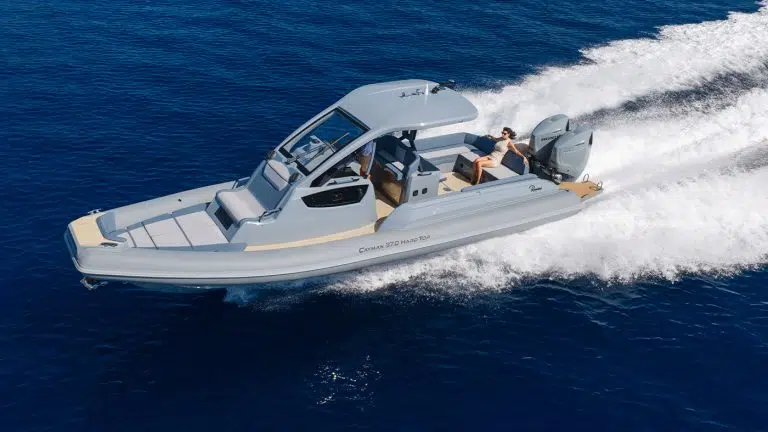
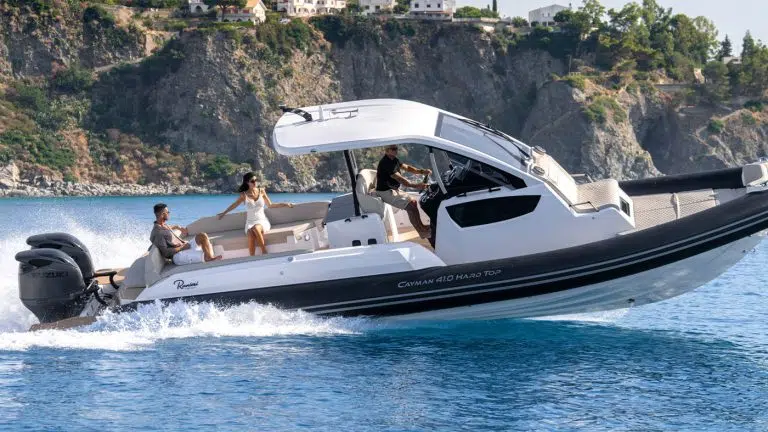
Once reserved primarily for military or rescue operations, Maxi RIBs have evolved into highly sought-after, high-performance luxury day boats. A boat test for these vessels pushes the limits of speed and offshore capability. Testers evaluate the shock-absorbing qualities of the deep-V fiberglass or aluminum hulls paired with the immense stability and buoyancy of the inflatable collars. Because Maxi RIBs are often rigged with massive twin, triple, or even quad outboards, a boat test carefully documents top-end speed, rough-water handling, and the quality of the helm ergonomics when operating at blistering paces.
Sailing Yachts
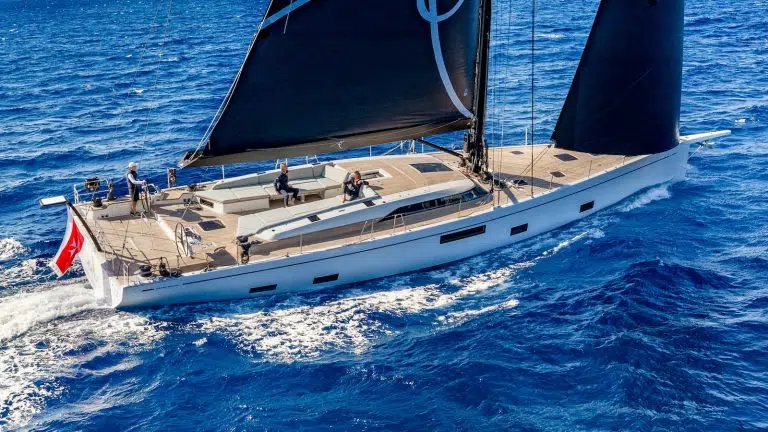
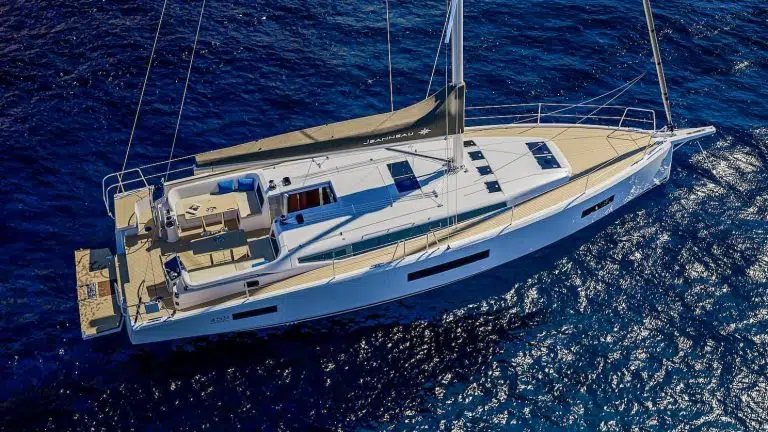
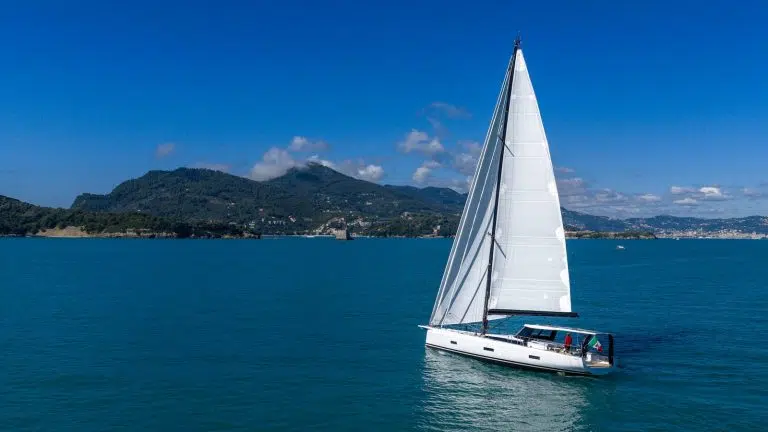
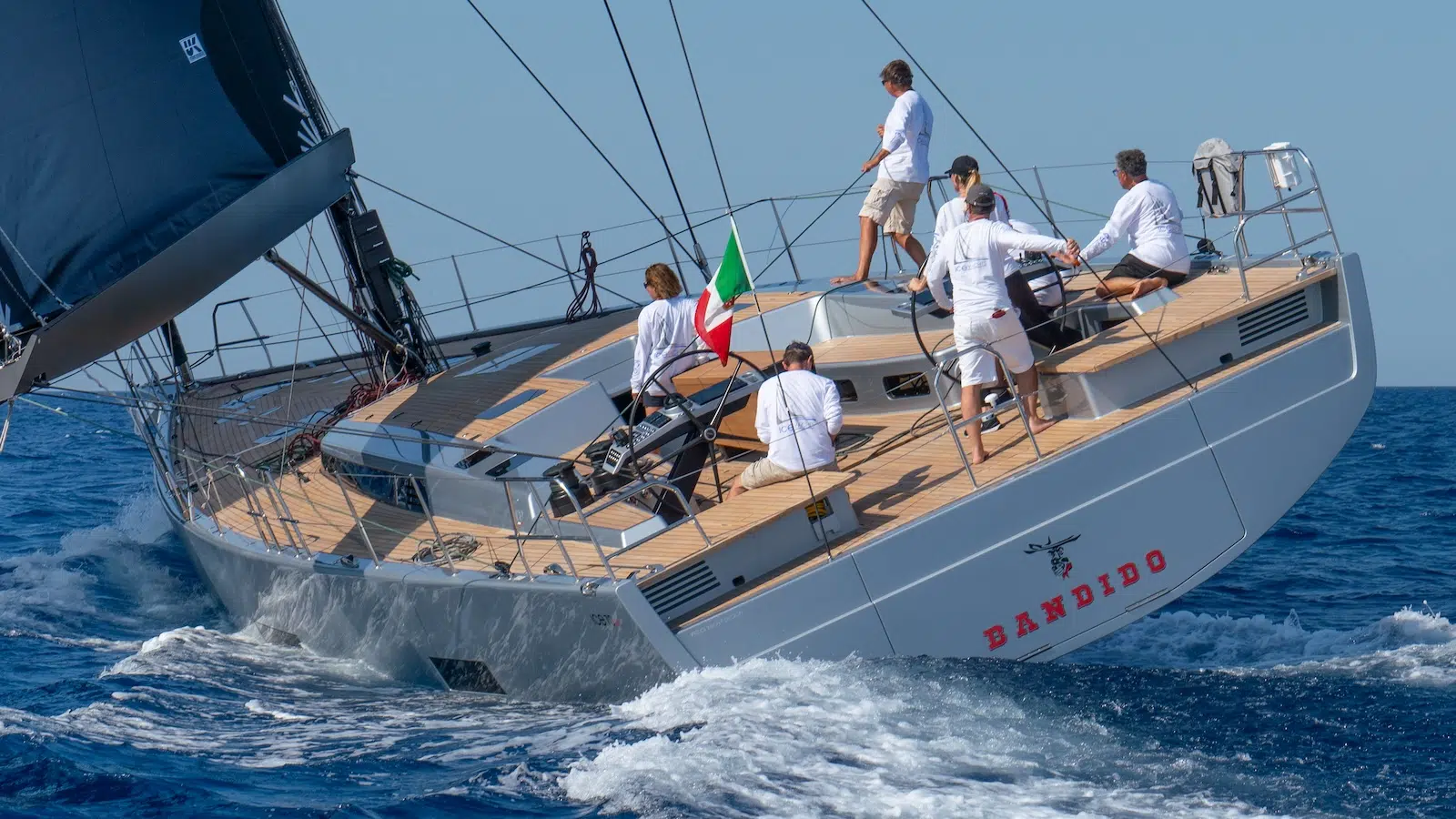
When conducting a boat test on a traditional monohull sailing yacht, the focus shifts to wind mechanics and rigging. Marine journalists evaluate the sail area-to-displacement ratio, the ease of hoisting and reefing the sails, and the boat’s balance at the helm to check for excessive weather helm (the tendency of the boat to turn into the wind). A boat test also records the heel angle and how the keel slices through the water. Below deck, the evaluation mirrors luxury cruisers, assessing the functionality of the galley and cabins while underway at a steep angle.
Center Consoles and Offshore Fishing Boats
For these vessels, boat tests focus heavily on rough-water capability. Testers evaluate the deadrise (the angle of the hull at the transom), the effectiveness of the flare at the bow in deflecting spray, and the placement of fishing amenities like livewells, rod holders, and fish boxes. Stability at rest is also heavily scrutinized since offshore anglers spend hours drifting or at anchor.
Pontoon and Tritoon Boats
Once considered slow, floating living rooms, modern pontoons equipped with triple tubes (tritoons) and massive outboards have changed the game. Boat tests for these vessels emphasize deck space, the quality of the marine upholstery, and the structural integrity of the fencing and gates. Performance-wise, testers look at how well the tritoon lifts out of the water and its ability to bank smoothly into turns rather than remaining flat.
Bringing the Boat Test to Life: The Power of Video Integration
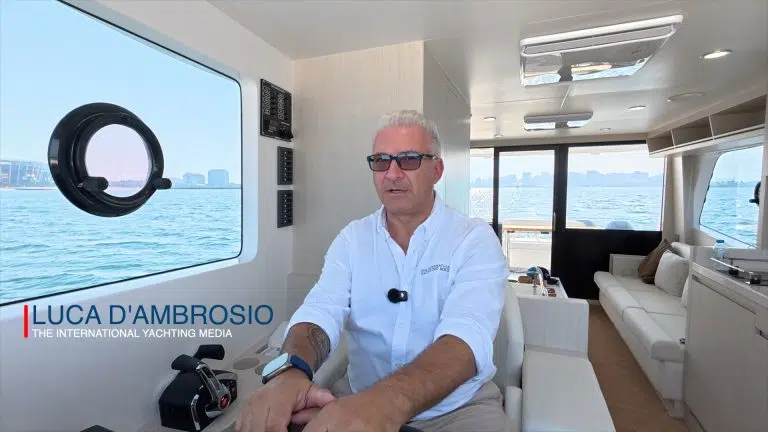
While reading a detailed, data-driven boat test is an indispensable part of the purchasing journey, we live in a highly visual age where static images and charts only tell part of the story. At Boat Review Magazine, we understand that translating complex performance metrics into a visceral understanding requires more than just text on a screen. That is exactly why our magazine features a vast array of comprehensive reviews accompanied by high-definition video productions, elevating the standard boat test. This multimedia approach completely revolutionizes the consumer research process, allowing our readers to literally see the performance in action for themselves from the comfort of their living rooms.
When you watch the video component of our boat test, you are no longer just taking a marine journalist’s word for how a vessel performs; you are virtually sitting right there in the co-pilot’s seat. Reading that a boat “handles rough water exceptionally well” is reassuring, but watching unedited footage of that same boat’s bow confidently carving through a three-foot offshore chop without aggressively slamming or soaking the deck with spray provides an entirely different level of buyer confidence. Video allows you to visualize the boat’s running attitude, observe the precise angle of the bow rise during the crucial hole-shot (time-to-plane), and witness the turning radius and hull slide in real-time. These dynamic visual cues are essential for understanding the true, untamed character of a hull in motion.
Furthermore, the videos accompanying our boat test provide vital spatial awareness that standard marine photography can sometimes distort. Wide-angle camera lenses used in promotional brochures can easily make cabins, cockpits, and casting decks appear significantly larger than they actually are. A video walkthrough, guided by our experienced marine testers, provides an honest, human-scaled perspective of the vessel’s layout. You can watch exactly how easily a tester moves between the center console and the gunwale, gauge how heavy a specialized storage hatch actually is to lift, and see how accessible the bilge, sea strainers, and battery compartments are for routine maintenance.
The auditory experience is another critical dimension unlocked by video integration. A professional boat test always measures decibel levels, but numerical data on a chart cannot replicate the actual tonal quality of a vessel. Through our video features, you can hear the deep, throaty rumble of twin inboard diesels or the whisper-quiet, refined hum of modern multi-engine outboards at idle. More importantly, you can listen for the absence of sound—specifically, the lack of rattling fiberglass, vibrating aluminum T-tops, or squeaking hardware when the boat is pushed hard through aggressive S-turns. A quiet, solid-sounding boat under stress is a definitive hallmark of superior build quality.
Ultimately, providing a boat test accompanied by video is about delivering absolute transparency to you, the consumer. In an industry where a new watercraft represents a substantial financial commitment, trust and verification are everything. By publishing unvarnished, dynamic footage of our rigorous sea trials, Boat Review Magazine ensures that there is no mystery left between a manufacturer’s glossy marketing claims and on-the-water reality. Our readers can verify our written data with their own eyes, effectively bridging the gap between theoretical spreadsheets and practical application. This ensures you have every possible resource at your disposal to make an informed, stress-free purchasing decision.
The Evolution of Boat Testing Technology
The methodology behind boat tests has evolved dramatically over the past few decades. In the past, testers relied on pitot-tube speedometers, which were notoriously inaccurate, and rough estimates of fuel consumption based on tank gauges. Today, the technology used in boat tests is incredibly precise.
Marine electronics have revolutionized data collection. NMEA 2000 networks allow engines to communicate directly with multi-function displays (MFDs), providing real-time, pinpoint-accurate data on fuel burn, engine temperature, and RPMs. High-frequency GPS pucks provide speed measurements down to the tenth of a mile per hour.
Furthermore, visual documentation in boat tests has been transformed by drone technology and action cameras. High-definition drones capture the boat’s running angle and hull dynamics from the air, allowing readers to see exactly how the hull interacts with the water. This visual evidence is a powerful complement to the written data, making modern boat tests more immersive and informative than ever before.
Key Metrics Evaluated in a Professional Boat Test
When marine experts conduct a boat test, they rely on a specific set of metrics to grade the vessel. Understanding these metrics is crucial for any prospective buyer.
Acceleration and Time-to-Plane
This measures how quickly a boat can transition from idling to hydroplaning (skimming across the top of the water). A faster time-to-plane is critical for water sports like wakeboarding or waterskiing. It also indicates a well-balanced hull and adequate horsepower. In boat tests, professionals measure the exact seconds it takes to reach plane, as well as the time it takes to go from zero to 20 or 30 miles per hour.
Speed and RPM Correlation
Speed is usually the most anticipated metric in boat tests. Testers use GPS devices to measure the boat’s speed at various Revolutions Per Minute (RPM) increments, usually mapping it out from idle all the way to wide-open throttle (WOT). This data helps prospective owners understand how the boat performs across its entire power band.
Fuel Efficiency (GPH and MPG)
Running a boat can be expensive. Professional boat tests use sophisticated flow meters to measure Gallons Per Hour (GPH) burned at each RPM level. By dividing the boat’s speed by the GPH, testers calculate the Miles Per Gallon (MPG). This is perhaps the most vital data point in boat tests, as it reveals the vessel’s “optimal cruising speed”—the speed at which the boat covers the most distance using the least amount of fuel.
Sound Levels (Decibels)
A noisy boat can lead to captain fatigue and make conversation impossible. During boat tests, decibel (dB-A) meters are placed at the helm to measure engine and wind noise at various speeds. A reading over 85 to 90 decibels for extended periods can be tiresome, so discerning buyers pay close attention to this metric, especially when looking at luxury cruisers or pontoon boats meant for socializing.
Handling and Maneuverability
Numbers only tell half the story. The qualitative aspect of boat tests involves the captain pushing the boat through aggressive S-turns, figure-eights, and hard-over turns at cruising speed. The tester is looking for propeller blowout (ventilation), hull sliding, and how the boat leans into a turn. Additionally, close-quarters maneuverability is tested to see how easily the boat can be docked in windy conditions or tight marina spaces.
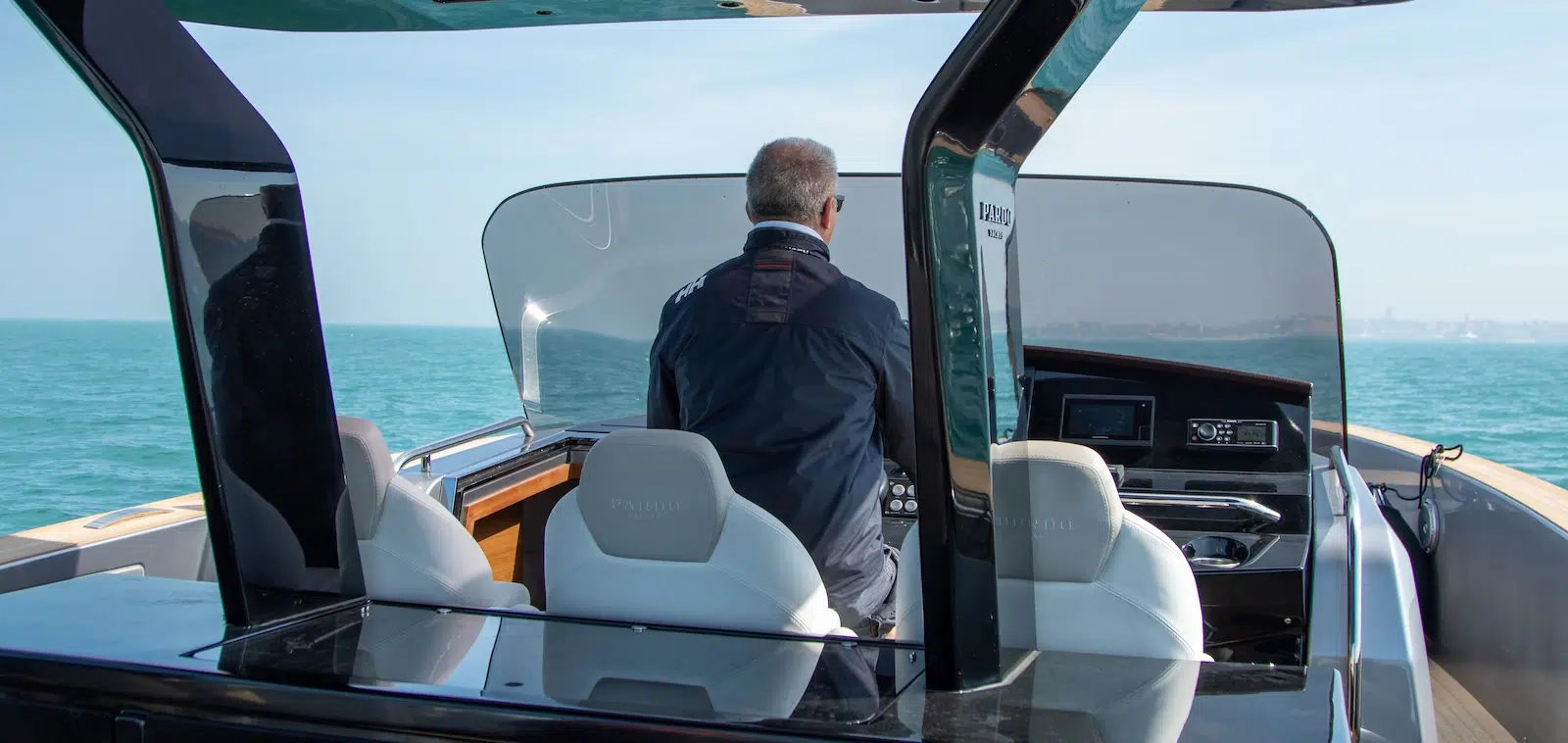
Why a Boat Test Is Essential Before Buying
Verifying Manufacturer Claims
Marine manufacturers are undeniably skilled at marketing. Brochures and promotional videos highlight a boat’s best features, often boasting about top speeds and incredible fuel economy. However, these numbers are frequently recorded under absolute optimal conditions—minimal fuel, no gear, one passenger, and glass-calm water. An independent boat test provides a reality check. It tests the boat in everyday conditions with realistic weights on board, giving you a much more accurate picture of the performance you can expect.
Ensuring Safety and Seaworthiness
Safety should always be the paramount concern for any boater. Boat tests evaluate how a vessel handles adverse conditions. Does the bow stuff into the waves, or does it rise over them? Does the hull design cause excessive spray, blinding the captain in a crosswind? How stable is the boat at rest when passengers move from one side to the other? By reading comprehensive boat tests, you can assess whether a vessel is inherently safe for your family and the specific bodies of water you intend to navigate.
Protecting Your Financial Investment
Boats depreciate, require maintenance, and consume fuel. Understanding a boat’s fuel efficiency through boat tests can save you thousands of dollars over the lifetime of the vessel. Furthermore, learning about potential design flaws or subpar hardware before you buy can help you avoid a costly mistake. An informed buyer is a smart buyer, and boat tests are the ultimate tool for financial protection in the marine market.
Beyond the Hull: Boat Tests for Essential Boat Supplies
While evaluating the watercraft itself is paramount, comprehensive boat tests also extend to the vast world of boat supplies and marine gear. A vessel is only as good as the equipment on board. Therefore, marine journalists and testing facilities rigorously evaluate aftermarket boat supplies to ensure they can withstand the harsh, corrosive, and demanding marine environment.
When conducting boat tests on marine electronics—such as chartplotters, VHF radios, and fish finders—testers look beyond the specification sheet. They evaluate intuitive user interfaces, screen visibility in blinding direct sunlight, and strict waterproof ratings (such as IPX7 or IPX8 submersion standards). For safety-related boat supplies, like life jackets (PFDs), EPIRBs, and distress flares, testing involves strict buoyancy checks, deployment speed analysis, and battery life longevity under extreme, real-world conditions.
Even everyday boat supplies undergo rigorous boat tests to separate high-quality gear from cheap imitations. Premium marine coolers are tested for ice retention over several days in scorching heat. Anchors and windlasses are subjected to high-load pull tests to determine their ultimate holding power in varying seabeds like mud, sand, and rock. Professional testers even perform UV degradation tests on boat covers, bimini tops, and marine upholstery cleaners. By reading boat tests specifically focused on boat supplies at Boat Review Magazine, owners can outfit their vessels with the most durable, reliable gear available, avoiding subpar products that will quickly fail under punishing UV rays and saltwater exposure.
How to Conduct Your Own “Sea Trial”
While reading professional boat tests on sites like Boat Review Magazine is the best place to start your research, you should ultimately conduct your own personalized boat test, commonly known as a sea trial, before signing on the dotted line.
When conducting your own sea trial, try to replicate how you will actually use the boat. If you plan to boat with a family of six, do not do the sea trial alone with the broker. Bring your family, or at least simulate the weight, to see how the boat performs under a realistic load. Take the helm yourself. Check the visibility from the captain’s chair, both sitting and standing. Practice docking the boat, as this is often the most stressful part of boating for new owners. Pay attention to the same metrics highlighted in professional boat tests: noise levels, ride comfort, and handling.
Conclusion
In the dynamic and diverse world of recreational boating, knowledge is your most valuable asset. Boat tests bridge the gap between marketing hype and on-the-water reality. They empower consumers with hard data, expert insights, and comparative analysis. Whether you are searching for a nimble bay boat to stalk redfish, a massive pontoon to entertain friends, or an offshore cruiser to explore the coast, immersing yourself in comprehensive boat tests is the absolute best way to guarantee that your nautical dreams become a joyful reality. Always remember: the perfect day on the water starts with the perfect boat, and finding the perfect boat starts with reading the right boat tests.
What exactly does a professional boat test measure?
A professional boat test measures a combination of quantitative performance data and qualitative design elements. Quantitatively, it measures top speed, optimal cruising speed, fuel consumption (GPH and MPG), time-to-plane, acceleration, and ambient sound levels in decibels. Qualitatively, the tester evaluates the boat's handling, rough-water ride quality, ergonomic layout, storage capacity, and overall build quality.
Is a boat test conducted by a manufacturer reliable?
While manufacturer-provided data is a helpful starting point, it should be viewed with an understanding that it was likely recorded under optimal, best-case-scenario conditions (light payload, low fuel, calm waters). An independent boat test conducted by a marine journalist or a third-party testing organization is generally more reliable because it evaluates the boat in real-world conditions with standard gear and realistic passenger weights.
How can I use the data from a boat test to save money?
The most valuable financial data point in a boat test is the "optimal cruising speed" and its associated Miles Per Gallon (MPG). By understanding the exact RPM at which the boat runs most efficiently, you can operate the vessel at that speed to maximize your fuel economy, potentially saving hundreds or thousands of dollars in fuel costs over the boating season.
Should I still do a sea trial if I have read a comprehensive boat test on a specific model?
Absolutely. While a professional boat test provides an excellent baseline and helps you narrow down your choices, boating is a highly subjective experience. A sea trial allows you to feel the boat's ergonomics, test the helm visibility according to your specific height, and see how the boat performs on your local body of water under the specific conditions you are likely to encounter.
How does a boat's hull design affect the results of a boat test?
Hull design is the biggest determining factor in a boat's performance. A deep-V hull (high deadrise) will slice through rough water gracefully, resulting in better qualitative handling scores in a boat test, but it may require more horsepower and fuel to push through the water. Conversely, a flatter hull or modified-V will be incredibly stable and highly fuel-efficient, but a boat test will likely reveal a harsher ride in choppy conditions.
Sources and References
- National Marine Manufacturers Association (NMMA) – Industry standards and certification requirements for safe boat construction.
- YACHTING NEWS – Boating MAGAZINE archive (2014-2026).
- The International Yachting Media – YouTube Boat Test Channel